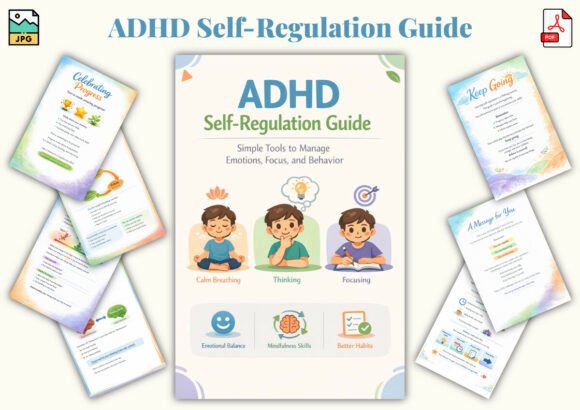
ADHD Self-Regulation Guide: A Practical Workbook to Build Focus, Emotional Control, and Daily Habits
For parents, educators, and caregivers of children with ADHD, managing emotions, focus, and daily routines can be a challenging task. The ADHD Self-Regulation Guide offers a structured, engaging, and practical solution to help kids understand their emotions, improve focus, and build lifelong self-regulation skills. This 41-page educational workbook is designed to support children in managing their thoughts, emotions, and behaviors in a simple and effective way.
With a clean, infographic-style layout and easy-to-follow activities, the ADHD Self-Regulation Guide makes learning self-regulation both fun and practical. Whether you're looking for tools to help your child stay focused during homework or manage big feelings during social interactions, this workbook provides a comprehensive approach to developing essential life skills.
What’s Inside the ADHD Self-Regulation Guide
The ADHD Self-Regulation Guide is carefully crafted to meet the needs of children with ADHD and those who support them. Here's what you'll find inside:
- 41 beautifully designed pages that are visually appealing and easy to navigate.
- Page size of 6 × 9 inches, making it ideal for printing and use as a daily guide.
- KDP ready format, allowing for easy digital distribution or print-on-demand options.
- JPG and PDF files included, providing flexibility in how the workbook is used or shared.
- Clean, minimal, and child-friendly layout that encourages engagement without overwhelming the reader.
- Consistent visual style throughout the book, which helps reinforce learning and make the content more accessible.
This workbook is not just a collection of exercises—it's a step-by-step journey toward building emotional intelligence, focus, and self-awareness in children with ADHD.
What Kids Will Learn with the ADHD Self-Regulation Guide
The ADHD Self-Regulation Guide covers a wide range of topics that are essential for children with ADHD to develop healthy coping mechanisms and daily habits. Some of the key areas of focus include:
- Understanding emotions: Children will learn how to identify and label their feelings, which is a crucial first step in managing them effectively.
- Managing big feelings: Through guided exercises, kids will explore strategies to calm themselves down when overwhelmed by intense emotions.
- Recognizing triggers: Identifying situations or events that lead to emotional or behavioral challenges helps children become more self-aware and proactive in managing their responses.
- Staying focused on tasks: The workbook includes activities that teach kids how to break tasks into smaller steps, set goals, and maintain concentration over time.
- Building positive habits: From morning routines to bedtime rituals, the guide helps establish consistent, healthy habits that support overall well-being.
- Using calming strategies: Kids will discover various techniques—such as deep breathing, visualization, and mindfulness—to help them stay centered and relaxed.
- Practicing positive self-talk: Learning to replace negative thoughts with encouraging ones can significantly impact a child's confidence and emotional resilience.
- Solving problems step-by-step: The workbook provides a framework for approaching challenges in a logical and constructive manner.
These skills are not only beneficial for children with ADHD but also valuable for any child looking to develop greater emotional intelligence and self-control.
How the ADHD Self-Regulation Guide Can Help
Children with ADHD often struggle with impulsivity, hyperactivity, and difficulty focusing. These challenges can affect their academic performance, social relationships, and emotional well-being. The ADHD Self-Regulation Guide addresses these issues by offering a structured approach to developing self-regulation skills.
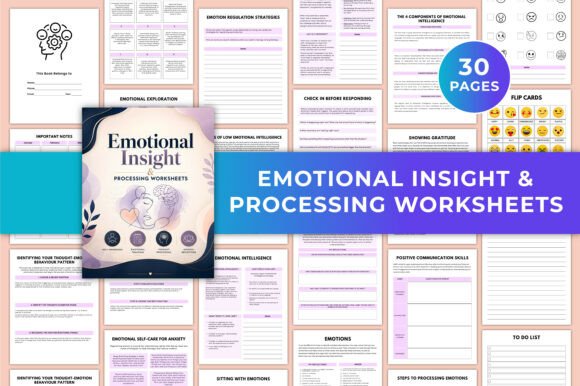
One of the most significant benefits of this workbook is its interactive nature. It includes worksheets, reflection pages, habit trackers, and focus trackers that encourage active participation. By engaging with the material regularly, children can track their progress and see improvements over time.
Additionally, the guide includes daily routine planning pages that help kids establish a sense of structure and predictability. For many children with ADHD, having a clear schedule can reduce anxiety and increase productivity.
The ADHD Self-Regulation Guide is also an excellent resource for parents and educators who want to support children in building these skills. It provides clear instructions and explanations that make it easy to implement the strategies in everyday life.
Practical Applications and Outcomes
The ADHD Self-Regulation Guide can be used in a variety of settings, including at home, in school, or with a therapist. Its flexibility allows it to be adapted to different age groups and learning styles. Here are some examples of how it can be applied in practice:
- At home: Parents can use the workbook to create a daily routine that incorporates self-regulation exercises, such as morning check-ins, emotion tracking, and goal-setting.
- In the classroom: Teachers can integrate the workbook into their curriculum to help students with ADHD stay focused during lessons and manage their emotions during group activities.
- With a therapist: The workbook can serve as a supplemental tool during therapy sessions, providing structure and reinforcing the concepts discussed in counseling.
Over time, children who consistently use the ADHD Self-Regulation Guide may experience improved emotional control, better focus, and increased confidence. They may also develop a stronger sense of self-awareness and the ability to cope with challenges in a healthy way.
Parents and educators may also notice positive changes in behavior, communication, and academic performance. The workbook empowers children to take ownership of their learning and growth, fostering independence and resilience.
Considerations for Different Users
While the ADHD Self-Regulation Guide is primarily designed for children with ADHD, it can also be useful for a wide range of users. For example:
- Parents may use it as a tool to support their child's development and provide consistent guidance.
- Teachers can incorporate it into their teaching strategies to help students with ADHD succeed in the classroom.
- Therapists may use it as a supplement to their work with children who need additional support in developing self-regulation skills.
- Children themselves can benefit from using the workbook independently or with the help of a trusted adult.
Each user may approach the workbook differently based on their needs and goals. Some may focus on specific areas, such as emotional regulation, while others may use it as a comprehensive tool for daily skill-building.
Ultimately, the ADHD Self-Regulation Guide is a versatile and valuable resource that can be tailored to meet the unique needs of each child and caregiver. By incorporating its strategies into daily life, families and educators can help children with ADHD thrive and reach their full potential.